Leveraging AI to Enhance Multi-Hazard Early Warning Systems

This ITU report examines how AI is strengthening each stage of the early warning cycle, from risk knowledge to preparedness, through five real world deployments including Tonga, Liberia, and Colombia. It pairs well with NASA Lifelines' own GeoAI for Humanitarian Action report, which explores the same trust and adoption barriers across the full crisis lifecycle.

  • d8caa77d 609e 460a b75e 732f5e9dbca4

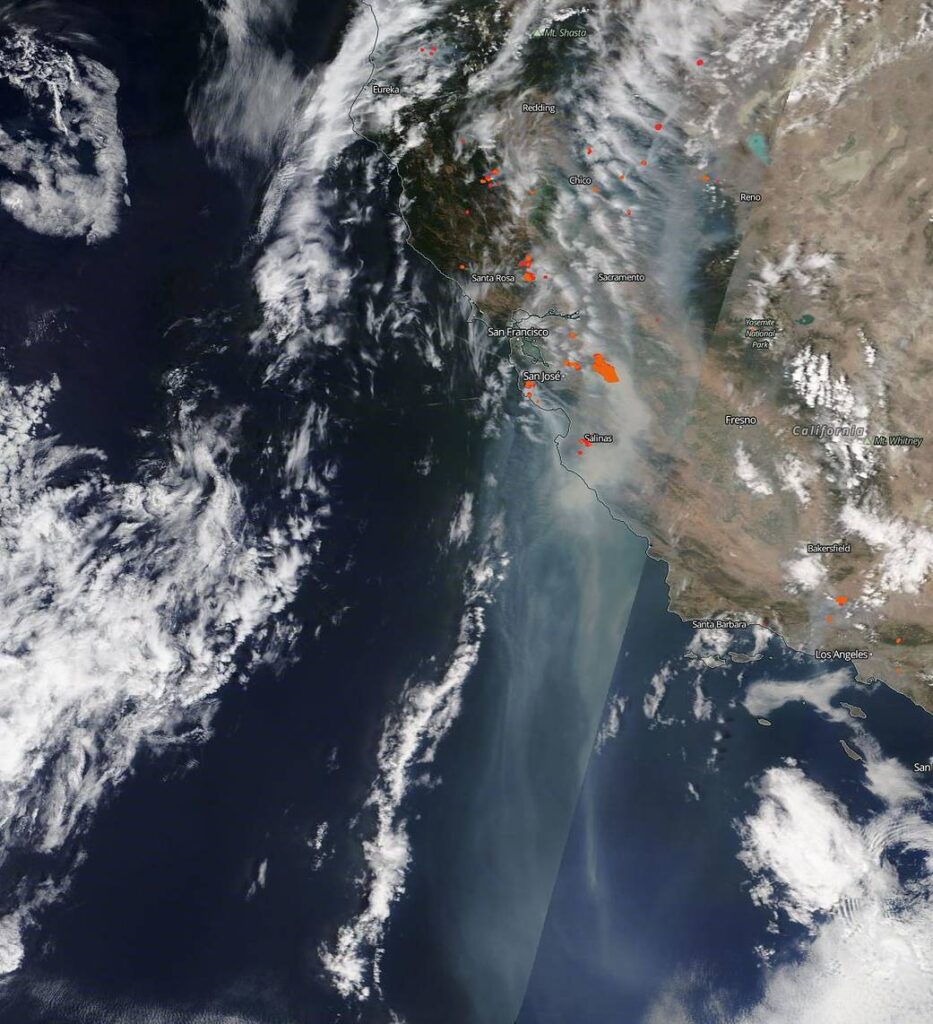
    A Day in the Life of Earth: What NASA Sees from Space

    From orbit, NASA satellites witness Earth’s full daily rhythm—from sunrise to midnight storms to polar night. These instruments capture air quality, vegetation, rainfall, soil moisture, and glacial change in real time, offering a global perspective that helps us respond to crises, monitor environmental shifts, and protect the systems we depend on.
  • smoke fire ca 933x1024 1

    Orbit to Impact: A Day of Humanitarian Earth Observation

    From mapping overnight floods to monitoring wildfire spread and supporting conflict response, this blog offers a glimpse into how Earth observation scientists use satellite data to guide humanitarian action around the world.
  • spacex VBNb52J8Trk unsplash scaled

    Earth Science Review Board Process Overview

    The Earth Science Review Board (ESRB) Process Overview explains the process and structure of the board, detailing how humanitarian funders can engage with Earth science experts for program reviews. It outlines participant roles, expectations, and the review process, including the submission of cases, expert selection, and the board meeting structure.
  • DataStudios Screenshot

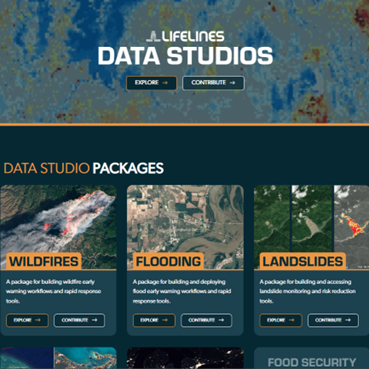
    Why Data Studios?

    The Data Studios are a different way of organizing geospatial and remote sensing resources. Instead of starting with a dataset and asking people to figure out what to do with it, we start with the real-world questions and work backwards from the use case.
  • RFI Criteria Image

    Ready for Impact Eligibility Criteria

    The NASA Lifelines Ready for Impact Challenge requires lead organizations to be legally registered entities with a minimum annual operating budget of USD $500,000, and partnerships can include up to three organizations.
  • WhatsApp Image 2026 07 06 at 8.49.49 AM 1

    NASA Lifelines Team Returns from Colombia, Ready for Impact Pitch Showcase and Mural Unveiling

    The NASA Lifelines team traveled to Bogotá to host the Ready for Impact Pitch Showcase, where eleven teams presented satellite-data solutions for early warning and disaster response. The trip also marked the unveiling of the second Crisis Readiness Accelerator mural.